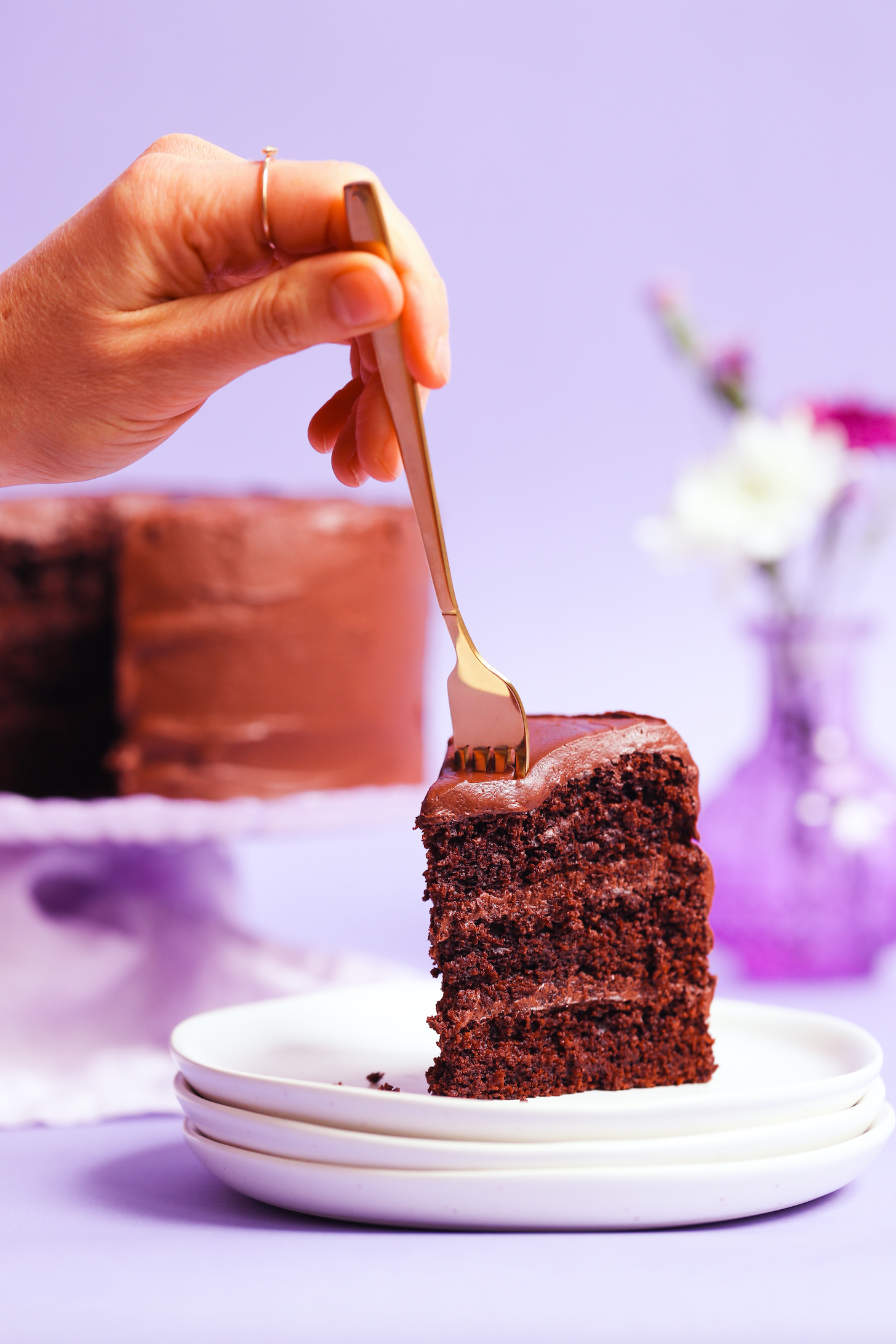
Bake the Best Vegan Gluten-Free Chocolate Cake: A Delicious Revelation for Everyone
Imagine a chocolate cake so rich, so moist, and so utterly decadent that no one would ever suspect it's both vegan and gluten-free. Sounds like a dream, right? Well, it's a delicious reality! Baking a truly exceptional decadent vegan gluten-free chocolate cake doesn't have to be complicated or yield a compromise in flavor or texture. With the right ingredients and a few pro tips, you can create a showstopper that will satisfy every palate at your table.
For many, dietary restrictions like gluten intolerance or a vegan lifestyle mean missing out on classic desserts. But this recipe shatters that misconception, proving that an allergy-friendly treat can be just as, if not more, delightful than its conventional counterparts. Whether you're baking for a special occasion, hosting guests with specific needs, or simply want to explore healthier baking options, this cake is your answer. It's so good, you won't need to make a separate "regular" cake for others – this one truly caters to all!
Why This Vegan Gluten-Free Chocolate Cake Stands Apart
The beauty of this particular vegan gluten free chocolate cake lies in its universal appeal. It's not just a good gluten-free cake, or a good vegan cake; it's simply a fantastic chocolate cake that happens to be both! This makes it incredibly convenient for hosts who want to ensure everyone feels included without juggling multiple desserts. Gone are the days of serving separate plates to accommodate different dietary needs.
Beyond its inclusivity, this recipe is designed for ease. It often comes together in a single bowl (or with minimal dishwashing), making the baking process as enjoyable as the eating. The key to its success lies in understanding the role of each ingredient, transforming simple plant-based and gluten-free staples into a moist, flavorful, and perfectly textured dessert. Let's dive into the core components that make this cake an absolute winner.
Mastering the Ingredients: Your Pro Tips for Success
Creating an outstanding vegan gluten free chocolate cake hinges on understanding how each ingredient contributes to the final product. Here are the essential components and how to get the most out of them:
The Foundation: Gluten-Free All-Purpose Flour Blend
This is perhaps the most critical ingredient. When baking gluten-free, it's paramount to use a high-quality, gluten-free all-purpose flour blend. Do not substitute with single-source flours like almond flour, coconut flour, or plain rice flour. These flours have vastly different absorption rates and protein structures compared to wheat flour and require specific recipe adjustments that this cake formulation isn't designed for.
- Why a Blend? Commercial gluten-free all-purpose blends are carefully formulated to mimic the properties of wheat flour, combining various flours (e.g., rice flour, tapioca starch, potato starch, sorghum flour, xanthan gum) to achieve the right texture, rise, and binding.
- Look for "All-Purpose": Ensure the label specifically states "gluten-free all-purpose flour blend." Many popular brands work wonderfully, and some even include xanthan gum, which is crucial for binding and elasticity in GF baking. If your blend doesn't contain xanthan gum, add about ½ teaspoon per cup of flour.
The Binder: Flax Eggs for Vegan Baking
In vegan baking, eggs are typically replaced by "flax eggs" or "chia eggs." A flax egg is a simple mixture of ground flaxseed meal and hot water.
- How it Works: When ground flaxseed is mixed with water, it forms a gelatinous, gloopy consistency similar to an egg white. This mucilage acts as an excellent binder, holding the cake together and providing some moisture.
- Preparation: For one flax egg, combine 1 tablespoon of ground flaxseed meal with 2.5-3 tablespoons of hot water. Let it sit for 5-10 minutes until it thickens. For this cake, you'll likely need the equivalent of two eggs, so double that ratio.
- Tip: Always use *ground* flaxseed, not whole, as the whole seeds won't absorb water effectively.
The Moisture & Tang: DIY Vegan Buttermilk
Buttermilk is a traditional cake ingredient known for its tenderizing properties and subtle tang. In vegan baking, it's incredibly easy to replicate.
- Preparation: Combine 1 tablespoon of an acid (lemon juice or apple cider vinegar work best) with 1 cup of your preferred unsweetened non-dairy milk (soy milk, almond milk, or oat milk are excellent choices).
- The Magic: Let it sit for 5-10 minutes. The acid will curdle the milk, creating a thick, slightly clumpy mixture that mirrors the consistency and acidity of traditional buttermilk. This acidity reacts with the baking soda, contributing to the cake's lift and tender crumb.
- Soy Milk Advantage: Soy milk often curdles the most effectively, but almond and oat milk also work well. Ensure your milk is unsweetened and unflavored to avoid altering the cake's taste.
The Flavor Enhancer: Instant Espresso Powder
This secret weapon is a game-changer for any chocolate cake, vegan or otherwise.
- Why Coffee? Just a small amount of instant espresso powder or instant coffee doesn't make the cake taste like coffee; instead, it profoundly deepens and intensifies the chocolate flavor, making it taste richer and more complex. It's like turning up the volume on your chocolate experience.
- Usage: You won't notice any coffee notes, only a heightened chocolatey goodness. If you don't have espresso powder, instant coffee granules can be used interchangeably. If you prefer to omit it, the cake will still be delicious, but the chocolate flavor won't be as robust.
The Sweetness & Lift: Sugars, Leavening, and Salt
These are the fundamental building blocks for any successful cake.
- Sugar: White granulated sugar provides sweetness and contributes to the cake's moisture and tender crumb. Ensure it's vegan, as some white sugars are processed with bone char (though most common brands in the US are vegan-friendly now).
- Baking Soda & Baking Powder: These leavening agents are crucial for a light, airy texture. The baking soda reacts with the vegan buttermilk, while baking powder provides additional lift, especially important in gluten-free baking.
- Salt: Don't skip the salt! It balances the sweetness and enhances all the other flavors, making the chocolate taste even more prominent.
The Fat: Choosing Your Oil Wisely
Oil provides moisture and richness to the cake. A neutral-flavored oil is best to allow the chocolate to shine.
- Recommended: Canola oil, vegetable oil, or refined coconut oil (melted) are great choices. They add moisture without imparting a strong flavor.
- Avoid: Strong-flavored oils like extra virgin olive oil can interfere with the chocolate taste.
Finally, the addition of boiling hot water at the end of the batter mixing might seem unconventional, but it's key. It helps to bloom the cocoa powder, further intensifying the chocolate flavor, and thins the batter to the perfect consistency for a moist, tender crumb.
Step-by-Step Baking Process: A Quick Overview
While full instructions and measurements are best found in a dedicated recipe card, the process for this vegan gluten free chocolate cake is straightforward:
- Combine Dry Ingredients: Sift your gluten-free all-purpose flour blend and cocoa powder into a mixing bowl. Add white sugar, baking soda, baking powder, salt, and instant espresso powder. Whisk everything together thoroughly.
- Prepare Wet Ingredients: Make your vegan buttermilk and flax eggs as described above.
- Mix Batter: Add the prepared vegan buttermilk, flax eggs, oil, and vanilla extract to the dry ingredients. Stir until a thick batter forms.
- Add Hot Water: Pour in boiling hot water and whisk until the batter is thin and smooth.
- Bake: Divide the batter between two prepared 9-inch cake pans (greased and lined with parchment paper) and bake at 350°F (175°C) until a toothpick inserted into the center comes out clean.
This streamlined process makes baking an easy vegan GF chocolate cake perfect for all guests & occasions surprisingly simple!
Baking & Cooling: The Final Touches for Perfection
Getting your cake perfectly baked and cooled is just as important as the ingredients themselves. The typical baking time for two 9-inch cakes is around 30 minutes, but this can vary based on your oven. Always trust the toothpick test – if it comes out clean or with a few moist crumbs attached, your cake is done.
Once baked, allow your cakes to cool in their pans for a few minutes. This crucial step lets them firm up slightly, making them less prone to crumbling when you transfer them. After a short rest, gently invert them onto wire cooling racks to cool completely. Attempting to frost a warm cake is a recipe for disaster, leading to melted frosting and potential structural collapse. Patience here will be rewarded with beautifully stable layers ready for your favorite vegan frosting.
Indulge in Guilt-Free Decadence
This vegan gluten free chocolate cake truly transcends dietary limitations, proving that baking with integrity and flavor in mind can result in something spectacular. By understanding the function of each ingredient—from the carefully chosen gluten-free flour blend to the transformative power of espresso powder—you're not just following a recipe; you're mastering the art of inclusive baking. So go ahead, whip up this magnificent dessert. It’s rich, it’s moist, it’s undeniably chocolatey, and it’s proof that the best cakes are those shared and enjoyed by everyone, without a single complaint.
